about
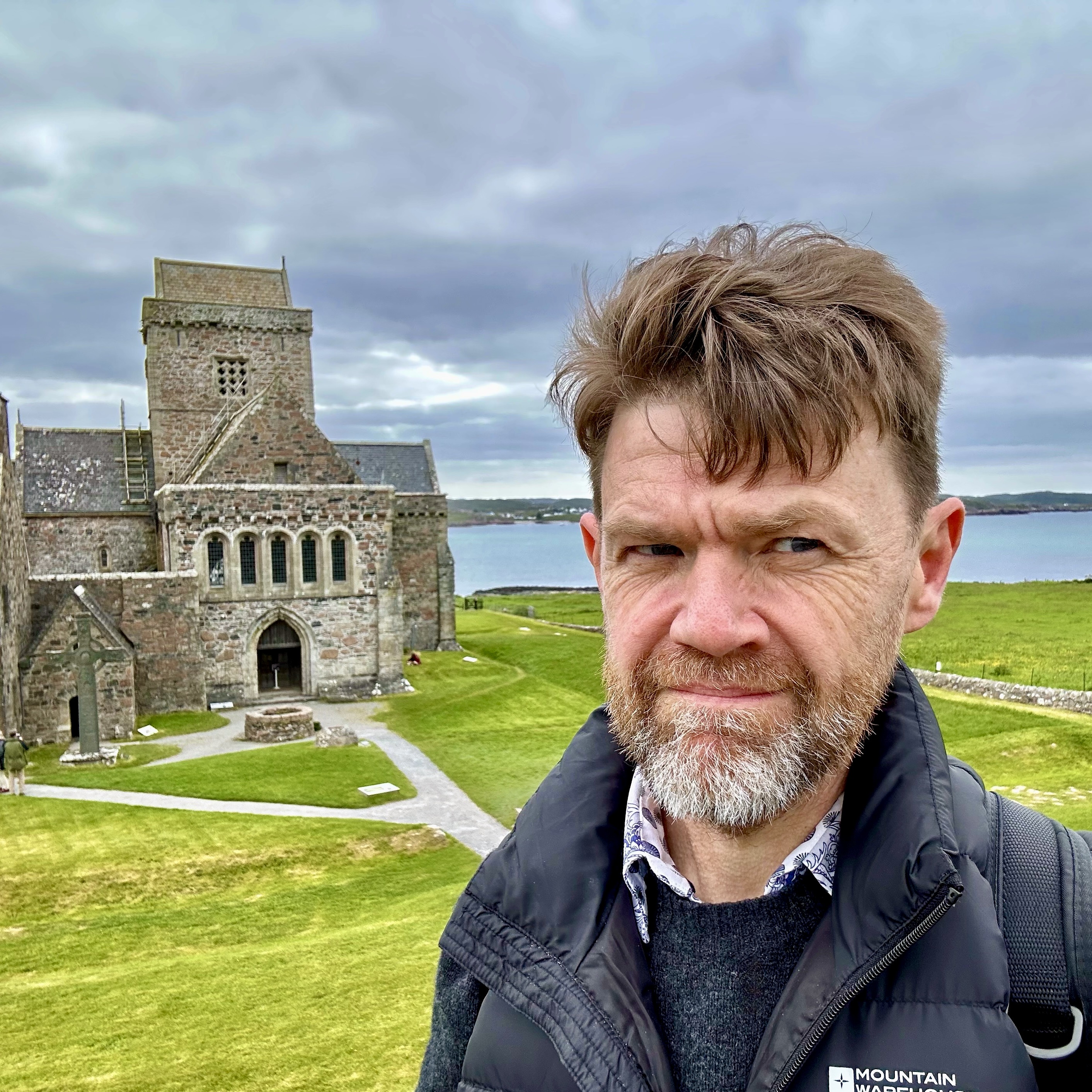
I’m Greg Restall, and this is my personal website. ¶ I am the Shelby Cullom Davis Professor of Philosophy at the University of St Andrews, and the Director of the Arché Philosophical Research Centre for Logic, Language, Metaphysics and Epistemology ¶ I like thinking about – and helping other people think about – logic and philosophy and the many different ways they can inform each other.
subscribe
To receive updates from this site, subscribe to the RSS feed in your feed reader. Alternatively, follow me at @consequently@hcommons.social, where most updates are posted.
contact
- Social media: @consequently@scholar.social.
- Personal email: greg@consequently.org.
- St Andrews profile.
- My office is in Edgecliffe, The Scores.